|
Home > Guides > Vegetables > Chili |
|
How to Grow Chili | Guide to Growing Chillies |
|
|
|
|
| |
|
|
| |
|
| |
Overview Capsicum encompasses a wide array of flavorful peppers used in modern cuisines all over the world. Native primarily to equatorial regions of North and South America, the many varieties of sweet and hot peppers thrive on full sun, warm weather, well-drained soil and modest fertility. Special considerations must be taken if growing peppers in temperate regions. |
|
| |
|
|
| |
Growing Guide
GROWING NOTES
Pepper should be started indoor approximately 8 weeks prior to the last frost of the spring.
Sow ¼" deep in a well-drained starting medium. Seeds require lots of warm to germinate; medium should be between 80-85 degrees F. Using a heat mat, available at home and garden store and elsewhere, can help to ensure ideal conditions. Additionally, young starts will fare much better with additional light. Place in a window or sunny location that receives lots of southern or southwestern sun exposure. Consider supplementing with artificial lighting if possible.
Set plants out 2 to 3 weeks after average last frost when the soil has warmed and the weather has settled. Peppers can be temperamental when it comes to setting fruit if temperatures are too hot or too cool. Nighttime temperatures below 60 F or above 75 F can reduce fruit set.
Plant them 12 to 24 inches apart, in rows 24 to 36 inches apart, or spaced about 14 to 16 inches apart in raised beds. Do not rush to transplant your starts outdoors. Select a location that receives plenty of light and heat, and has not been used for tomatoes, potatoes or other members of this family for several years. Peppers will do best with soil that is fertile, lightweight, slightly acidic (pH5.5-7.0) and well-drained.
Wait until soil temperatures exceed 50 degrees F at all times before placing into the ground. Pepper plants should be fairly close to one another, so that there is slight contact between plants.
MAINTAINING
Peppers need a steady supply of water for best performance. If fertilizing, be careful not to overdo it on nitrogen as this can deter fruit growth. Organic fertilizers and soil should be rich in phosphorus, potassium and calcium.
Mulching with black plastic or similar material is a good way to maintain heat and soil moisture. Additionally, floating row covers over your beds can help to protect against cold early in the growing season. Use caution with row covers not to overheat plants and cause them to drop their blossoms.
Stake tall varieties for earlier and heavier harvest.
|
|
| |
|
| |
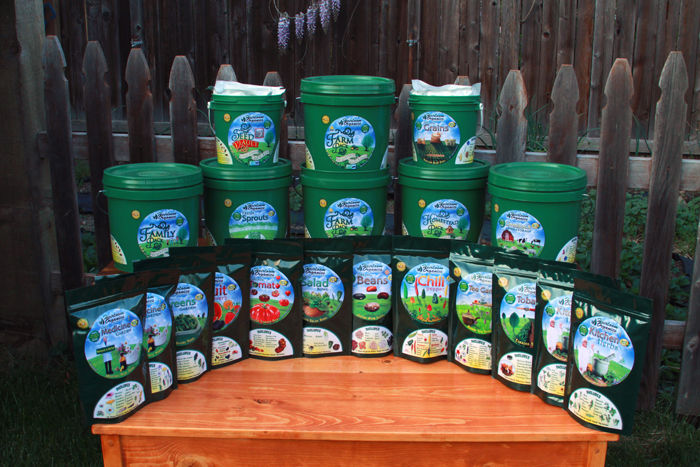
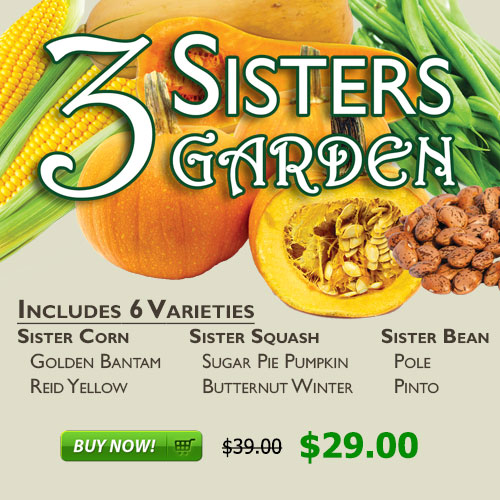
Heirloom seeds are the gardeners choice for seed-saving from year-to-year. Learning to save seeds is easy and fun with these books. Before you harvest, consider which varieties you might want to save seeds from so that your harvesting practice includes plants chosen for seed saving. Be sure to check out our newest seed packs, available now from Heirloom Organics. The Super Food Garden is the most nutrient dense garden you can build and everything you need is right here in one pack. The Genesis Garden s a very popular Bible Garden collection. The Three Sisters Garden was the first example of companion planting in Native American culture. See all of our brand-new seed pack offerings in our store.
|
|
| |
|
|
| |
Harvesting Guide
HARVESTING
Peppers will turn green when starting to approach maturity. They can be harvested at this point, or allowed to ripen on the plant. If collected early, plants will continue to flower and fruit more frequently, though this early collection might result in differences in flavor if using fresh.
Use a scissors or snip to cut branches and harvest peppers. Do not remove by hand as plants can be easily damaged.
HOW TO DRY CHILI PEPPERS
The shelf life of your chili peppers can be extended many times over by drying your peppers and storing them in an airtight container. To expedite the process, a home food dehydrator can be used to safely take the moisture out of your peppers. Otherwise, place your fresh peppers onto a cookie sheet and 'baking' at the lowest setting (approximately 150F or lower)with the oven for several hours to gradually dry out the peppers. Turn peppers frequently, and make sure peppers are not being overheated.
If neither a food dehydrator or oven is available, peppers can be dried naturally in the sun or even in a well-lit window. This process may take several days, even with hot dry conditions. Peppers can be placed on a flat surface in a sunny location. Turn periodically to ensure that they dry out evenly. Once peppers are slightly brittle and tough, they can be stored in airtight containers and saved for future use.
SAVING SEEDS
Cut your favorite variety of pepper in half. All of the seeds inside are most likely viable and you can use them to grow the same variety of pepper in containers or in a sunny garden spot. Collect the seeds and lay them flat on a paper towel for 24 hours.
Label the plastic bag with the permanent marker with the name or variety of the pepper seeds. Place the seeds inside for planting.
Keep the seeds in a cool, but not cold, dark area until you are ready to start them in early spring. |
|
| |
|
|
|
| |
|
|
|
|
|
| You can find this variety in the following Seed Packs: |
|
|
|
| Click the packs below to see some of our other wonderful products |
|
|
|
|
|
|
|