|
Home > Guides > Vegetables > Cress |
|
How to Grow Cress | Guide to Growing Cress |
|
|
|
|
| |
 |
|
Overview |
|
|
|
|
|
| |
|
| |
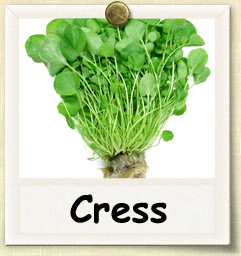
The easiest of the cresses to grow, garden cress can be harvested in as little as two weeks after sowing. It’s peppery taste adds zing to salads, but hot weather makes this cool-season crop bitter and inedible. |
|
| |
|
|
| |
Growing Guide
GROWING NOTES
Prefers part shade during hot summer weather.
Prefers moist, fertile soil with high organic matter and pH 6.0 to 6.7
Curly cress leaves have ruffled edges resembling parsley
MAINTAINING
Plant in early spring as soon as you can work the soil. Broadcast seed and cover very lightly with soil or compost. A small patch (1- to 2-feet square) provides plenty of cress.
Make succession plantings every 2 to 3 weeks until weather warms. Start planting fall crops when weather cools in late summer.
You can intercrop cress with carrots or radishes, or mix it with other salad green crops.
Keep cress well watered and provide shade when weather warms.
Cover with fabric row covers if flea beetles or other pests are a problem.
|
|
| |
|
| |
Heirloom seeds are the gardeners choice for seed-saving from year-to-year. Learning to save seeds is easy and fun with these books. Before you harvest, consider which varieties you might want to save seeds from so that your harvesting practice includes plants chosen for seed saving. Be sure to check out our newest seed packs, available now from Heirloom Organics. The Super Food Garden is the most nutrient dense garden you can build and everything you need is right here in one pack. The Genesis Garden s a very popular Bible Garden collection. The Three Sisters Garden was the first example of companion planting in Native American culture. See all of our brand-new seed pack offerings in our store.
|
|
| |
|
|
| |
Harvesting Guide
HARVESTING
Cut or pinch out cress tips as needed, cut-and-come-again. Begin cutting plants when they reach 3 to 4 inches tall. Plants cut back to ½ inch will quickly regrow. Cress is most tender at the early seed-leaf stage; harvest cress well before it matures. Sprouts can also be used fresh.
SAVING SEEDS
The seeds of Persian broadleaf press can be easily stored, the seeds grow in pods and one can easily detach a mature pod and place it upside down in a paper bag.9 After three months the seeds are properly dried and by shaking the bag they will fall out of the pod and should be kept in a tightly sealed jar.
|
|
| |
|
|
|
| |
|
|
|
|
|
| You can find this variety in the following Seed Packs: |
|
 |
|
| Click the packs below to see some of our other wonderful products |
|
|
|
|
|
|
|