|
Home > Guides > Herbs > Hyssop |
|
How to Grow Hyssop | Guide to Growing Hyssop |
|
|
|
|
| |
 |
|
Overview |
|
|
|
|
|
| |
|
| |
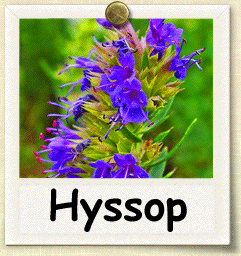
Hyssop is native to southern Europe and the Mediterranean, and has found application in medicine and magic in these regions and beyond for the last two millennia. In ancient times, Hyssop was thought to provide protection from the evil eye and witches if adorned in the home. Today Hyssop is sometimes used to provide comfort to the upper respiratory system and soothe the sore throat. It is also said to be effective as an expectorant and promote improved circulation and digestion. |
|
| |
|
|
| |
Growing Guide
GROWING NOTES
Hyssop will grow at a height of nearly 2 feet and produce vibrant bright -blue flowers that are a favorite of bees from midsummer into fall.
Hyssop requires full sunlight, and is somewhat tolerant of shade but will produce fewer blooms. It will do better with light, dry, sandy or rocky soil and low to moderate water.
MAINTAINING
Hyssop is best started indoors approximately 8 weeks prior to the last frost. Small seeds should be covered with a thin layer of soil-approximately 3/8" or twice the thickness of the seed deep. Keep starts moist while awaiting germination, and introduce to increasing amounts of light prior to transplant. Transplant outdoors once last frost has passed.
|
|
| |
|
| |
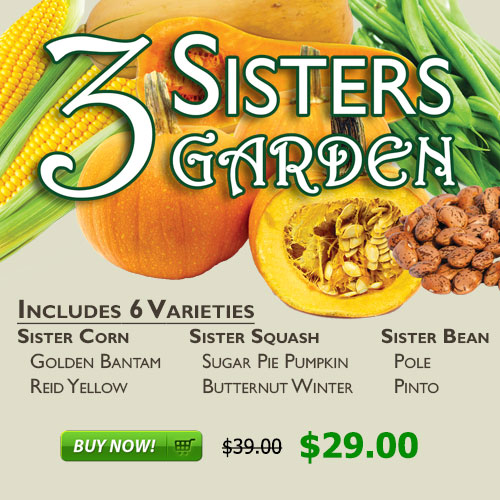
Heirloom seeds are the gardeners choice for seed-saving from year-to-year. Learning to save seeds is easy and fun with these books. Before you harvest, consider which varieties you might want to save seeds from so that your harvesting practice includes plants chosen for seed saving. Be sure to check out our newest seed packs, available now from Heirloom Organics. The Super Food Garden is the most nutrient dense garden you can build and everything you need is right here in one pack. The Genesis Garden s a very popular Bible Garden collection. The Three Sisters Garden was the first example of companion planting in Native American culture. See all of our brand-new seed pack offerings in our store.
|
|
| |
|
|
| |
Harvesting Guide
HARVESTING
Aerial parts can be collected once flowering begins in early to mid summer. A scissors or snip can be used to collect flowers, leaves, and stem. Harvesting can continues as plants continute to bloom into the fall.
SAVING SEEDS
|
|
| |
|
|
|
| |
|
|
|
|
|
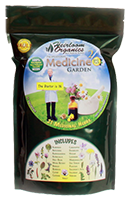
| You can find this variety in the following Seed Packs: |
|
 |
|
| Click the packs below to see some of our other wonderful products |
|
|
|
|
|
|
|