|
Home > Guides > Herbs > Anise Hyssop |
|
How to Grow Anise Hyssop | Guide to Growing Anise Hyssop |
|
|
|
|
| |
 |
|
Overview |
|
|
|
|
|
| |
|
| |
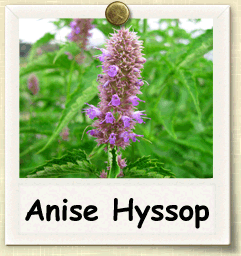
Anise hyssop makes a delightful addition to mixed herbal teas and a fine tea all to itself. It has a delicate anise or licorice flavor. The tea is naturally sweet, so extra sweetener is not necessary. In fact the tea is so sweet that it can be used to sweeten other foods. Folklore medicine employed anise hyssop herbal tea to treat colds, coughs and fevers, to induce sweating, and to strengthen a weak heart. |
|
| |
|
|
| |
|
|
| |
|
|
|
|
|
|
|
|
|
Tolerant of wide range of soils |
|
|
|
|
|
|
|
|
|
|
|
|
Growing Guide
GROWING NOTES
Anise hyssop will grow to a height of 2 feet or more, sending up attractive and fragrant spikes of rich purple flowers from early summer into fall.
Anise hyssop is tolerant of a range of soil types, and can even thrive in poor, clay-rich soils.
MAINTAINING
Anise hyssop should be started indoors 4-6 weeks prior to the last frost of the spring. Transplant outdoors after the final frost of the season, once plants are approximately 3-4 inches tall and show their first true leaves.
|
|
| |
|
| |
Heirloom seeds are the gardeners choice for seed-saving from year-to-year. Learning to save seeds is easy and fun with these books. Before you harvest, consider which varieties you might want to save seeds from so that your harvesting practice includes plants chosen for seed saving. Be sure to check out our newest seed packs, available now from Heirloom Organics. The Super Food Garden is the most nutrient dense garden you can build and everything you need is right here in one pack. The Genesis Garden s a very popular Bible Garden collection. The Three Sisters Garden was the first example of companion planting in Native American culture. See all of our brand-new seed pack offerings in our store.
|
|
| |
|
|
| |
Harvesting Guide
HARVESTING
Leaves and can be collected once the plant has started to flower from early summer onwards. Pinch off the bottom leaves carefully, and do not overharvest. Inflorescenses and stems can be collected with a snip by cutting above second node below the spike.
SAVING SEEDS
|
|
| |
|
|
|
| |
|
|
|
|
|
| You can find this variety in the following Seed Packs: |
|
 |
|
| Click the packs below to see some of our other wonderful products |
|
|
|
|
|
|
|