|
Home > Guides > Herbs > Tea |
|
How to Grow Tea | Guide to Growing Tea |
|
|
|
|
| |
 |
|
Overview |
|
|
|
|
|
| |
|
| |
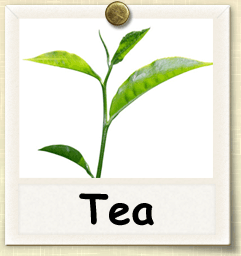
The original tea plant, whose leaves account for the myriad varieties of green, white and black teas. Camelia sinensis is a tropical shrub or small tree which requires the warmer temperatures and higher humidities of a tropical or carefully-regulated greenhouse. |
|
| |
|
|
| |
Growing Guide
GROWING NOTES
The authentic 'tea' plant is native to tropical regions will grow into a large shrub or small tree of height 6-8' with white or pale yellow flowers.
The large seeds should be soaked for 24 hours prior to sowing, then sown indoors 1-2" deep in a light, sterilized mix. Keep soil moist while waiting for germination, typically 14-28 days.
Camellia sinensis prefers partially shaded conditions and traditionally grows in woodlands. Moist, slightly acidic soil is ideal.
MAINTAINING
Camellia sinensis is native to tropical regions and must be overwintered indoors in regions 10 and below. If grown outdoors, it prefers a cool and dry conditions and is not tolerant of frost. It can be grown as a small indoor or greenhouse tree for some years, and can be transplanted to larger containers as it grows.
|
|
| |
|
| |
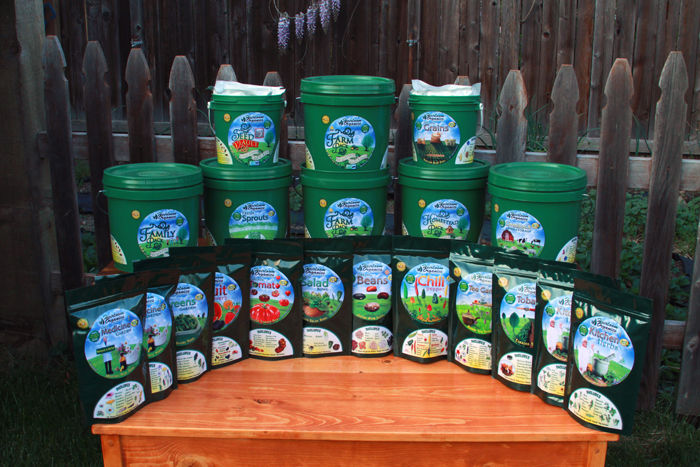
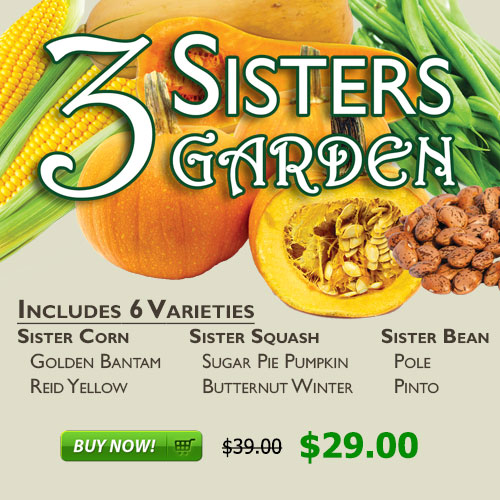
Heirloom seeds are the gardeners choice for seed-saving from year-to-year. Learning to save seeds is easy and fun with these books. Before you harvest, consider which varieties you might want to save seeds from so that your harvesting practice includes plants chosen for seed saving. Be sure to check out our newest seed packs, available now from Heirloom Organics. The Super Food Garden is the most nutrient dense garden you can build and everything you need is right here in one pack. The Genesis Garden s a very popular Bible Garden collection. The Three Sisters Garden was the first example of companion planting in Native American culture. See all of our brand-new seed pack offerings in our store.
|
|
| |
|
|
| |
Harvesting Guide
HARVESTING
Harvesting of the leaves for tea should not be undertaken until the third year on. For making tea, typically the young bud and outer three young leaves are used.
SAVING SEEDS
|
|
| |
|
|
|
| |
|
|
|
|
|
| You can find this variety in the following Seed Packs: |
|
 |
|
| Click the packs below to see some of our other wonderful products |
|
|
|
|
|
|
|