|
Home > Guides > Herbs > Dandelion |
|
How to Grow Dandelion | Guide to Growing Dandelion |
|
|
|
|
| |
 |
|
Overview |
|
|
|
|
|
| |
|
| |
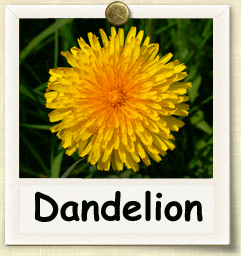
Though much harangued by some as a common weed, Dandelion has long been recognized for its myriad applications in medical herbalism. The untreated leaves can be added to salads and other dishes and are enjoyed for their slightly bitter quality. Dandelion root is often described as a liver detoxifier thanks to its ability to stimulate bile production. This affinity for the liver and its functioning explain why a host of other health benefits are often ascribed to dandelion root, including: improved digestion and appetite, enhanced mood, and more consistent skin tone. |
|
| |
|
|
| |
|
|
| |
|
|
|
|
|
|
|
|
|
|
|
|
Full sun to partial shade |
|
|
|
|
|
|
|
|
|
Growing Guide
GROWING NOTES
Familiar yellow blooms.
Dandelion will grow best with full to partial shade, and has no special soil needs.
MAINTAINING
Dandelion can be direct sown in spring. To enhance germination, stratification and indoor starting can be utilized to give your plants a boost. One week of cold stratification should be adequate for the small seeds. To sow, lightly tamp seeds into surface of growing medium. Seeds require light to germinate so be sure to leave seeds very close to the surface of the soil.
|
|
| |
|
| |
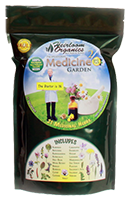
Heirloom seeds are the gardeners choice for seed-saving from year-to-year. Learning to save seeds is easy and fun with these books. Before you harvest, consider which varieties you might want to save seeds from so that your harvesting practice includes plants chosen for seed saving. Be sure to check out our newest seed packs, available now from Heirloom Organics. The Super Food Garden is the most nutrient dense garden you can build and everything you need is right here in one pack. The Genesis Garden s a very popular Bible Garden collection. The Three Sisters Garden was the first example of companion planting in Native American culture. See all of our brand-new seed pack offerings in our store.
|
|
| |
|
|
| |
Harvesting Guide
HARVESTING
Leaves and flowers can be harvested at any time. Use a spade or garden fork to leverage the plant out of the ground if seeking the root or whole plant.
SAVING SEEDS
|
|
| |
|
|
|
| |
|
|
|
|
|
| You can find this variety in the following Seed Packs: |
|
 |
|
| Click the packs below to see some of our other wonderful products |
|
|
|
|
|
|
|