|
Home > Guides > Herbs > Marsh Mallow |
|
How to Grow Marsh Mallow | Guide to Growing Marsh Mallow |
|
|
|
|
| |
 |
|
Overview |
|
|
|
|
|
| |
|
| |
Though it is known more for the confectionery marshmallow, which adopted this classical botanical's namesake, Marsh Mallow was widely used as a medicinal by the Greeks and Romans and other Mediterranean cultures of the ancient world. The botanical name of Marsh Mallow, Althea officinalis, is from the Greek "altho", which mean "to cure", underscoring the significance of this handsome herb to Greek healers. Traditionally, Marsh Mallow has been used to soothe coughs, sore throats, indigestion, and as a topical agent it is said to be anti-inflammatory, antimicrobial and wound-healing. |
|
| |
|
|
| |
Growing Guide
GROWING NOTES
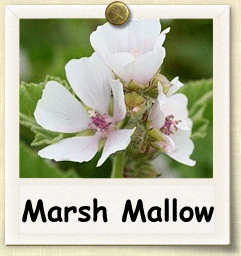
Marsh Mallow will grow to heights of 36" tall or more, and begin to show broad, light pink flowers along the think herbaceous stalk in mid to late summer.
Marsh Mallow prefers partial sun, but can grow well in shade or full sun. It prefers a rich soil that will retain moisture.
MAINTAINING
For best results, direct sow in late summer or early fall. If starting in the spring, a 3 or 4 week period of stratification is recommended. Seeds can be sown in flats and placed into the refrigerator. Keep moist and check regularly. If seeds start to germinate, transplant immediately. If you do not have adequate space to refrigerate entire flat, mix seeds with moist but well drained starting medium in large ziploc baggie and place in fridge.
After stratification, seeds are best started indoors for a few weeks before transplanting outside in mid to late spring. Keep germinating seeds moist, and transplant to larger containers, gradually acclimating to outdoor conditions. Transplant outdoors in mid to late spring.
|
|
| |
|
| |
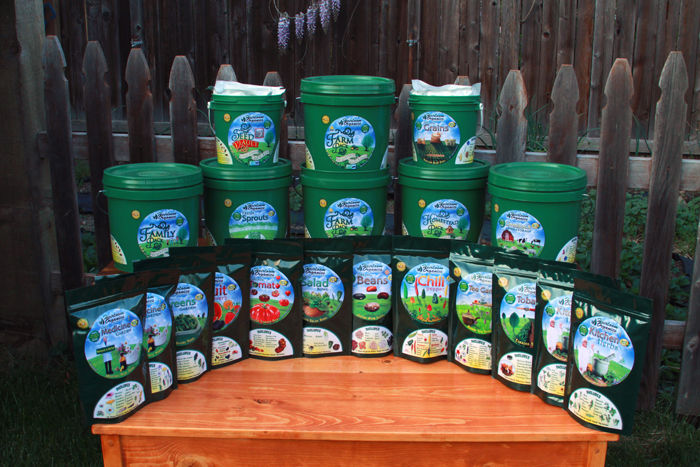
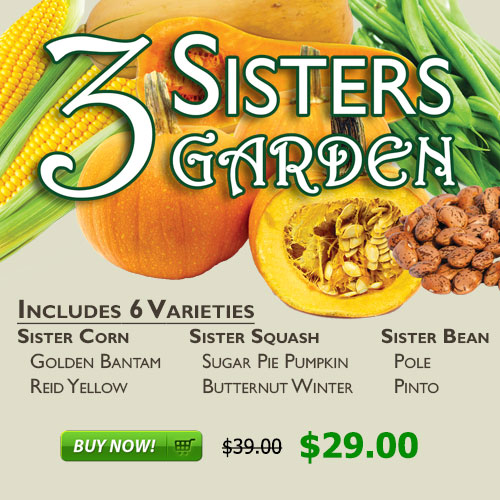
Heirloom seeds are the gardeners choice for seed-saving from year-to-year. Learning to save seeds is easy and fun with these books. Before you harvest, consider which varieties you might want to save seeds from so that your harvesting practice includes plants chosen for seed saving. Be sure to check out our newest seed packs, available now from Heirloom Organics. The Super Food Garden is the most nutrient dense garden you can build and everything you need is right here in one pack. The Genesis Garden s a very popular Bible Garden collection. The Three Sisters Garden was the first example of companion planting in Native American culture. See all of our brand-new seed pack offerings in our store.
|
|
| |
|
|
| |
Harvesting Guide
HARVESTING
Marshmallow will begin to flower in the second year, and may require a few years to produce roots large enough to harvest for medicine making. Flowers and leaves can be collected from mid summer on with a snip or by hand, while large roots are best collected in the fall or early spring. To get underneath the roots, you will need a large spade or pitchfork. Raise root to the surface by pushing spade or fork beneath plant and leveraging the root to the surface from multiple sides.
SAVING SEEDS
|
|
| |
|
|
|
| |
|
|
|
|
|
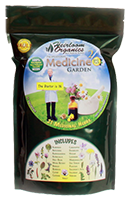
| You can find this variety in the following Seed Packs: |
|
 |
|
| Click the packs below to see some of our other wonderful products |
|
|
|
|
|
|
|