|
Home > Guides > Herbs > Astragalus |
|
How to Grow Astragalus | Guide to Growing Astragalus |
|
|
|
|
| |
 |
|
Overview |
|
|
|
|
|
| |
|
| |
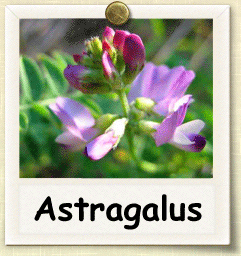
Native to China and Mongolia, Astragalus is revered in Chinese medicine for its reputation as an immune strengthening tonic. It is said to augment the body’s natural reserves and flow of energy (qi), potentially finding success with a number of deleterious conditions from slow metabolism to general debilitation. Astragalus is rapidly gaining popularity in the West, and is often included in blends with other medicinals to promote recovery in times of stress or illness. |
|
| |
|
|
| |
|
|
| |
|
|
|
|
|
|
|
|
|
|
|
|
Partial shade to full sun |
|
|
|
|
|
|
|
|
|
Growing Guide
GROWING NOTES
Astragalus is a herbaceous perennial that reaches a height of up to 4 feet, and will produce delicate yellow flowers from midsummer through late fall.
Astragalus prefers partial shade to full sun, and a sandy, well-drained soil. Water moderately.
MAINTAINING
Astragalus seeds require a 21-day cold period of stratification to promote germination, followed by mild scarification with fine-grade sandpaper. You can begin your stratification in mid to late winter, then start your seeds indoors. This should allow adequate time for your young seedlings to become large and stable enough to transplant outdoors following the first frost in early spring. Before sowing seeds, soak in water for an hour to soften and tamp lightly in to the soil, or cover with a thin layer (1/8-1/4" deep). When transplanting, space plants approximately 15" apart.
|
|
| |
|
| |
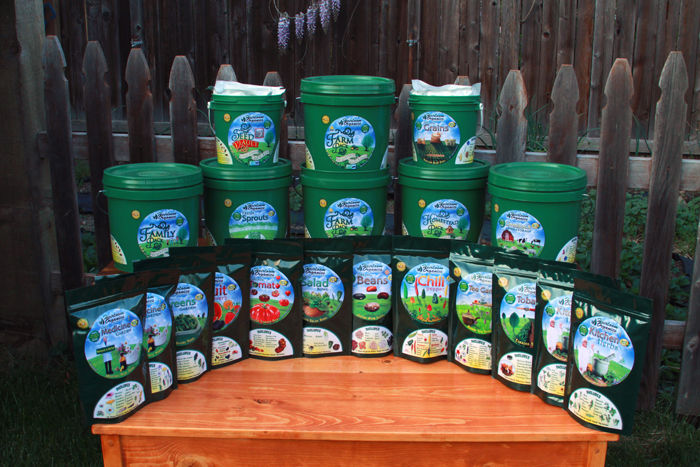
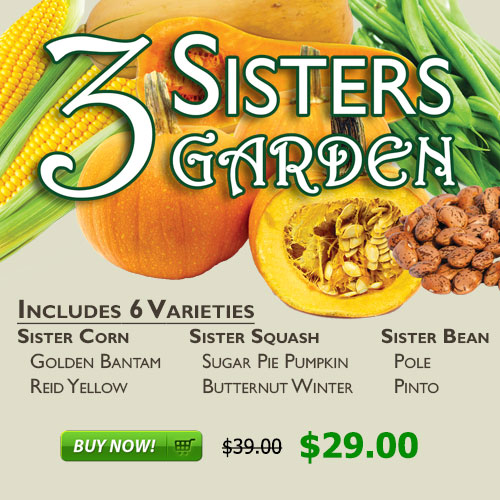
Heirloom seeds are the gardeners choice for seed-saving from year-to-year. Learning to save seeds is easy and fun with these books. Before you harvest, consider which varieties you might want to save seeds from so that your harvesting practice includes plants chosen for seed saving. Be sure to check out our newest seed packs, available now from Heirloom Organics. The Super Food Garden is the most nutrient dense garden you can build and everything you need is right here in one pack. The Genesis Garden s a very popular Bible Garden collection. The Three Sisters Garden was the first example of companion planting in Native American culture. See all of our brand-new seed pack offerings in our store.
|
|
| |
|
|
| |
Harvesting Guide
HARVESTING
Astragalus grown from seed requires at least two years of growth to produce rootstock of adequate size for medicine making. To collect, use a fork or needle-nose spade to extract taproot from ground.
SAVING SEEDS
|
|
| |
|
|
|
| |
|
|
|
|
|
| You can find this variety in the following Seed Packs: |
|
 |
|
| Click the packs below to see some of our other wonderful products |
|
|
|
|
|
|
|