|
Home > Guides > Vegetables > Kohlrabi |
|
How to Grow Kohlrabi | Guide to Growing Kohlrabi |
|
|
|
|
| |
 |
|
Overview |
|
|
|
|
|
| |
|
| |
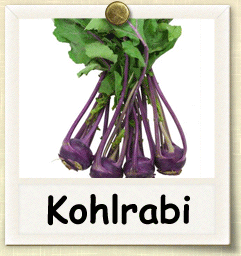
This cool-season cole crop produces a turnip-flavored swollen stem in as little as 6 weeks. In addition to spring crops, you can tuck in transplants or sow seeds anywhere space becomes available in summer. The bizarre alien-from-outer-space appearance makes it an eye-stopper in ornamental plantings, too. |
|
| |
|
|
| |
Growing Guide
GROWING NOTES
Prefers well-drained, fertile soil high in organic matter, pH 6.0 to 7.5. Can tolerate slightly alkaline soil. This heavy feeder also needs plentiful, consistent moisture.
Biennial grown as an annual.
Leaves arise from spherical swollen stem.
MAINTAINING
Prefers cool weather - in the 60s F -- but can be grown throughout the season in most of New York. Plants are sensitive to cold. Brief exposure to freezing temperatures can cause plants to bolt. A week of temperatures below 50 can also induce flowering.
Begin direct-seeding about a month before last frost. Plant about ½ inch deep and 1 inch apart in rows 12 inches apart. Thin to about 6-inch spacings.
For fall harvest, transplant or direct-seed into garden in summer as space becomes available.
|
|
| |
|
| |
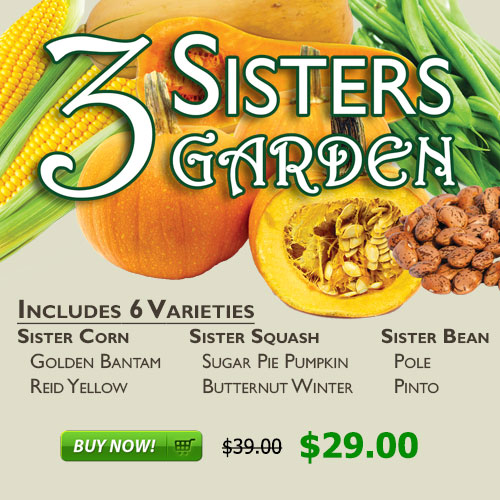
Heirloom seeds are the gardeners choice for seed-saving from year-to-year. Learning to save seeds is easy and fun with these books. Before you harvest, consider which varieties you might want to save seeds from so that your harvesting practice includes plants chosen for seed saving. Be sure to check out our newest seed packs, available now from Heirloom Organics. The Super Food Garden is the most nutrient dense garden you can build and everything you need is right here in one pack. The Genesis Garden s a very popular Bible Garden collection. The Three Sisters Garden was the first example of companion planting in Native American culture. See all of our brand-new seed pack offerings in our store.
|
|
| |
|
|
| |
Harvesting Guide
HARVESTING
Plants started in midsummer for fall harvest will withstand light fall frosts and develop superior quality produce. Light frosts will control insect pests allowing for fewer insect problems upon harvest.
The edible portion of kohlrabi is the rounded, swollen stem that develops just above the soil line. Harvest kohlrabi when the stem widens to two inches. The fruit will become tough and fibrous if allowed to mature too much.
Crops planted midsummer for fall harvest generally have fewer insect problems and a less bitter flavor.
SAVING SEEDS
In a mild winter kohlrabi may survive in the garden, but it is best to store them if possible. Dig before a hard freeze, keeping as much root as possible. Trim leaves above the crown. Store good roots in a cold, humid place. Replant in late spring. Kohlrabi is really a form of cabbage and has identical flowers; it will cross with cabbage and its other relatives.
|
|
| |
|
|
|
| |
|
|
|
|
|
| You can find this variety in the following Seed Packs: |
|
 |
|
| Click the packs below to see some of our other wonderful products |
|
|
|
|
|
|
|