|
Home > Guides > Herbs > Skullcap |
|
How to Grow Skullcap | Guide to Growing Skullcap |
|
|
|
|
| |
 |
|
Overview |
|
|
|
|
|
| |
|
| |
Skullcap was well known among the Cherokee and other Native American healers as a strong emmenagogue and female medicinal herb. Today Skullcap is recognized as a powerful medicinal herb, used in alternative medicine as an anti-inflammatory, antispasmodic, slightly astringent, emmenagogue, febrifuge, nervine, sedative and tonic. |
|
| |
|
|
| |
|
|
| |
|
|
|
|
|
|
|
|
|
Well-drained, fertile soil |
|
|
|
|
|
|
|
|
|
|
|
|
Growing Guide
GROWING NOTES
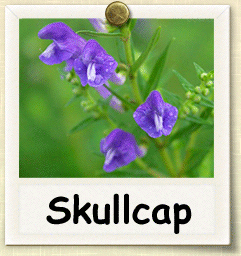
Skullcap Grows to a height of 8-24" and produces bright blue flowers. The genus Scutelleria is named for the shape of the calyx of the flower which resembles a small cap.
Skullcap prefers partial shade to full sun. Water moderately, but make sure soil is well-drained. Prefers fertile soil.
MAINTAINING
Skullcap seeds will germinate at a high rate naturally, and does better with a short period of stratification (1 week or so). Seeds can be placed into refrigerator for one week, then started by lightly tamping seeds into soil in flats (1/4-3/8" deep) or similar starting container. Transplant outdoors when first true leaves are developed.
|
|
| |
|
| |
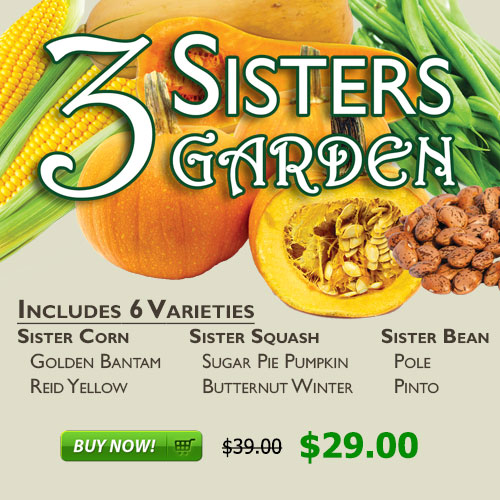
Heirloom seeds are the gardeners choice for seed-saving from year-to-year. Learning to save seeds is easy and fun with these books. Before you harvest, consider which varieties you might want to save seeds from so that your harvesting practice includes plants chosen for seed saving. Be sure to check out our newest seed packs, available now from Heirloom Organics. The Super Food Garden is the most nutrient dense garden you can build and everything you need is right here in one pack. The Genesis Garden s a very popular Bible Garden collection. The Three Sisters Garden was the first example of companion planting in Native American culture. See all of our brand-new seed pack offerings in our store.
|
|
| |
|
|
| |
Harvesting Guide
HARVESTING
Aerial parts, including the flowers and leaves, should be harvested when flowers are in full bloom. To harvest, use a scissors or shears and leave around 3" of growth.
SAVING SEEDS
|
|
| |
|
| |
NOTE Should be used with some caution since in overdose it causes giddiness, stupor, confusion and twitching. Skullcap has been linked to liver damage, though it is suspected that the source of damage was actually from Germander being substituted for Skullcap. Use in moderation and avoid if you have liver problems. |
|
|
|
| |
|
|
|
|
|
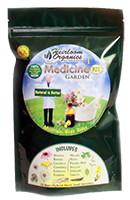
| You can find this variety in the following Seed Packs: |
|
 |
|
| Click the packs below to see some of our other wonderful products |
|
|
|
|
|
|
|