|
Home > Guides > Herbs > Valerian |
|
How to Grow Valerian | Guide to Growing Valerian |
|
|
|
|
| |
 |
|
Overview |
|
|
|
|
|
| |
|
| |
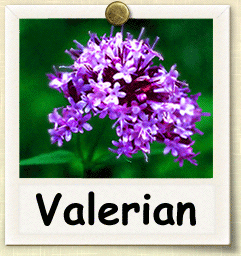
Popular in the marketplace today for problems relating to anxiety and insomnia, Valerian has been used in Europe for thousands of years. Such properties were recognized by Hippocrates and Galen, and Valerian remained popular following the fall of the Roman Empire. When dried, Valerian root takes on a unique and distinct aroma that is not soon forgotten. Over the centuries, Valerian came to have unusual uses, as in medieval Sweden where new grooms carried Valerian in their wedding clothes to ward off the "envy" of the elves. |
|
| |
|
|
| |
|
|
|
Perennial (hardy in zones 4-8) |
|
|
|
|
|
|
|
|
|
|
|
|
|
|
|
|
|
|
|
|
|
|
Growing Guide
GROWING NOTES
Valerian grows to a height of 3-4' and begins blooming early in the season, sometimes in late spring. The pink and white flowers grow in clusters and are favorite of many types of insects.
Valerian favors full sun and a humus rich soil, and lots of water.
MAINTAINING
Can be direct sown outdoors in early spring, or started indoors 4 weeks prior to transplanting in late spring. Small seeds can be tamped into the soil or covered with a thin layer of soil, approximately 1/4", and should germinate within 7-14 days with moist but well-drained potting mix.
|
|
| |
|
| |
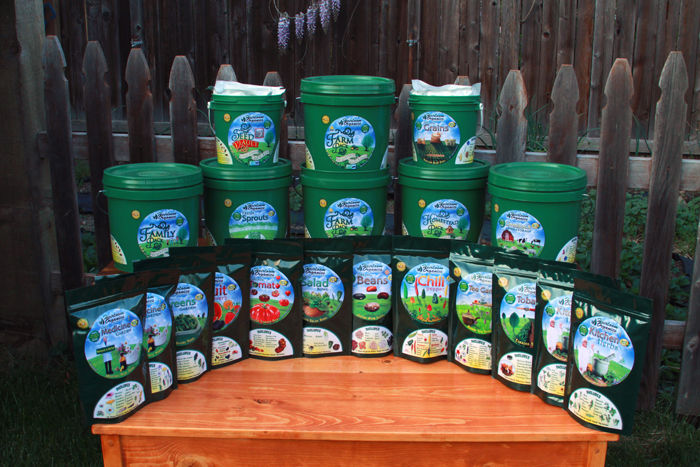
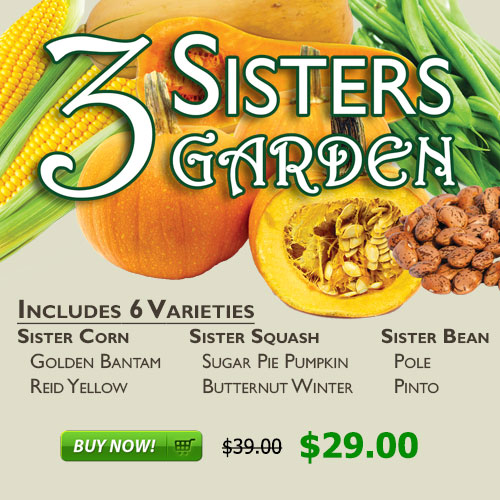
Heirloom seeds are the gardeners choice for seed-saving from year-to-year. Learning to save seeds is easy and fun with these books. Before you harvest, consider which varieties you might want to save seeds from so that your harvesting practice includes plants chosen for seed saving. Be sure to check out our newest seed packs, available now from Heirloom Organics. The Super Food Garden is the most nutrient dense garden you can build and everything you need is right here in one pack. The Genesis Garden s a very popular Bible Garden collection. The Three Sisters Garden was the first example of companion planting in Native American culture. See all of our brand-new seed pack offerings in our store.
|
|
| |
|
|
| |
Harvesting Guide
HARVESTING
Root can be collected in the fall. Valerian can sometimes be collected in the first year, but will often require at least an additional year to reach sizable quantities worthy of collection. A spade or garden fork should be helpful for collecting.
SAVING SEEDS
|
|
| |
|
|
|
| |
|
|
|
|
|
| You can find this variety in the following Seed Packs: |
|
 |
|
| Click the packs below to see some of our other wonderful products |
|
|
|
|
|
|
|