|
Home > Guides > Herbs > Plantain |
|
How to Grow Plantain | Guide to Growing Plantain |
|
|
|
|
| |
 |
|
Overview |
|
|
|
|
|
| |
|
| |
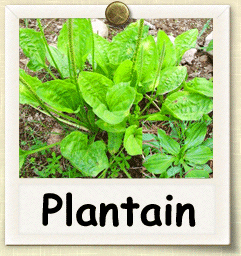
Native to Europe and tolerant of a wide range of conditions, Plantain has traditionally been used to relieve diarrhea, treat lung conditions, and similar conditions relating to excess bleeding and inflammation. Humble and hardy, Plantain is classified as a diuretic, alternative, astringent and vulnerary and is commonly used topically to assist with burns, cuts, scrapes, bites and other mild external injuries. A mainstay of traditional European Herbalism. |
|
| |
|
|
| |
|
|
| |
|
|
|
|
|
|
|
|
|
adaptable to a wide range |
|
|
|
Partial shade to full sun |
|
|
|
|
|
|
|
|
|
Growing Guide
GROWING NOTES
Greater Plantain is low to the ground and will grow to a height of approximately 8-12" showing tiny white flowers.
Plantain prefers full sun to partial shade and will tolerate a wide range of soil conditions, including rocks and sand.
MAINTAINING
Plantain is adaptable to a wide range of growing conditions and can be direct sown outdoors in mid-spring, or started indoors in early spring and transplanted out in late spring. Germination rates can be enhanced with a one week period of cold stratification prior to sowing.
|
|
| |
|
| |
Heirloom seeds are the gardeners choice for seed-saving from year-to-year. Learning to save seeds is easy and fun with these books. Before you harvest, consider which varieties you might want to save seeds from so that your harvesting practice includes plants chosen for seed saving. Be sure to check out our newest seed packs, available now from Heirloom Organics. The Super Food Garden is the most nutrient dense garden you can build and everything you need is right here in one pack. The Genesis Garden s a very popular Bible Garden collection. The Three Sisters Garden was the first example of companion planting in Native American culture. See all of our brand-new seed pack offerings in our store.
|
|
| |
|
|
| |
Harvesting Guide
HARVESTING
Leaves can be collected at any time with a snip or by hand. If collecting roots, leverage out of the ground with a garden fork or spade when the surrounding soil has some moisture content and is easy to work. Seeds can be collected in late summer once plant has matured.
SAVING SEEDS
|
|
| |
|
|
|
| |
|
|
|
|
|
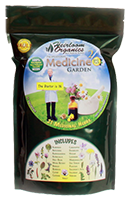
| You can find this variety in the following Seed Packs: |
|
 |
|
| Click the packs below to see some of our other wonderful products |
|
|
|
|
|
|
|