|
Home > Guides > Herbs > Epazote |
|
How to Grow Epazote | Guide to Growing Epazote |
|
|
|
|
| |
 |
|
Overview |
|
|
|
|
|
| |
|
| |
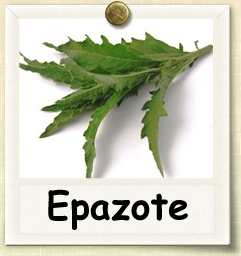
Epazote is used in many traditional Mexican dishes including tamales, mole de olla, salsa, traditional black beans and enchiladas. Eaten fresh, it has a distinct strong and pungent taste and aroma that can be reminiscent of a wide variety of other tastes including: citrus, anise, fennel, mint or tarragon. Needless to say, Epazote can be an acquired taste. In Mexico, it is sometimes consumed as a leaf vegetable but more commonly dried and used as an herb. |
|
| |
|
|
| |
|
|
| |
|
|
|
|
|
|
|
|
|
Tolerant of wide range of types |
|
|
|
|
|
|
|
|
|
|
|
|
Growing Guide
GROWING NOTES
Epazote will grow to roughly 4' tall, with long slender leaves and clusters of tiny green flowers.
Epazote can direct sown after the first frost of the sping, and will grow quickly with heat and light. Epazote can spread very quickly, and potentially invade upon other plants. If possible grow them away from other plants or in containers. For a continous supply, restart every two weeks.
Epazote should be grown in full sun, and can grow in a wide range of soil types. It is native to desert regions of North America and is tolerant of sandy soil. Requires less water than most other herbs.
MAINTAINING
Sow lightly, approximately 1/4" beneath the surface of the soil and keep moist until germination. Epazote is native to drier regions of Central America and should not be over-watered.
|
|
| |
|
| |
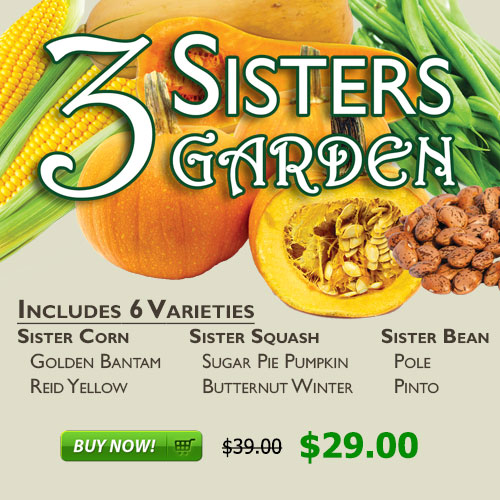
Heirloom seeds are the gardeners choice for seed-saving from year-to-year. Learning to save seeds is easy and fun with these books. Before you harvest, consider which varieties you might want to save seeds from so that your harvesting practice includes plants chosen for seed saving. Be sure to check out our newest seed packs, available now from Heirloom Organics. The Super Food Garden is the most nutrient dense garden you can build and everything you need is right here in one pack. The Genesis Garden s a very popular Bible Garden collection. The Three Sisters Garden was the first example of companion planting in Native American culture. See all of our brand-new seed pack offerings in our store.
|
|
| |
|
|
| |
Harvesting Guide
HARVESTING
The leaf, flowers and stem can be anytime with a scissors or snip.
SAVING SEEDS
The small, tan seeds can be collected in late fall by rubbing stalk and collecting beneath with a basket, bowl, bag, or other container. Seeds can be collected in same manner as with harvesting. Store in a sealed container in a dry, cool location out of direct sunlight for optimum life.
|
|
| |
|
|
|
| |
|
|
|
|
|
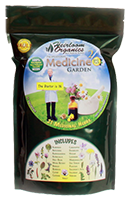
| You can find this variety in the following Seed Packs: |
|
 |
|
| Click the packs below to see some of our other wonderful products |
|
|
|
|
|
|
|