|
Home > Guides > Herbs > Burdock |
|
How to Grow Burdock | Guide to Growing Burdock |
|
|
|
|
| |
 |
|
Overview |
|
|
|
|
|
| |
|
| |
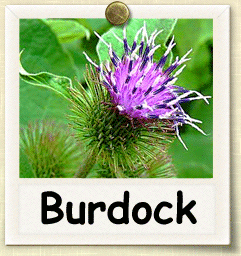
Burdock has a long history of use as a detoxifying herb, and is said to have a strong affinity for the blood. It is also regarded as a diuretic, flushing excess water from the body. Over the centuries, it has been used as an antidote in cases of acute poisoning, fungal and bacterial infection, and parasites. Common preparations of burdock include decoction, tincture, and food source. |
|
| |
|
|
| |
|
|
| |
|
|
|
|
|
|
|
|
|
|
|
|
Partial shade to full sun |
|
|
|
|
|
|
|
|
|
Growing Guide
GROWING NOTES
Burdock can grow to more than 6' tall, in the second year producing purple flowers which ripen and become the familiar burrs whose tenacity became the inspiration for velcro.
Burdock is adaptable to various light levels, from partial shade to full sun. Light, sandy soil will make harvesting the roots much easier.
MAINTAINING
Seeds can direct sown outdoors in the fall once the last frost has passed, or started earlier indoors for improved germination rates and stability for young plants. If starting indoors, sow approximately 4 weeks to final frost by cover seeds with a thin layer of soil, approximately 1/4" or twice the thickness of the seed. Keep moist, but do not allow starts to get soggy as this can deter germination and cause damage to seeds or young plants.
Expose growing starts to sunlight, and transplant to larger containers once they are 3-4" tall and show their first true leaves.
Burdock is extremely hardy, and will self seed readily, and can become a nuissance if left untended. You may want to choose a location away from your other herbs or vegetables where this may be a problem.
|
|
| |
|
| |
Heirloom seeds are the gardeners choice for seed-saving from year-to-year. Learning to save seeds is easy and fun with these books. Before you harvest, consider which varieties you might want to save seeds from so that your harvesting practice includes plants chosen for seed saving. Be sure to check out our newest seed packs, available now from Heirloom Organics. The Super Food Garden is the most nutrient dense garden you can build and everything you need is right here in one pack. The Genesis Garden s a very popular Bible Garden collection. The Three Sisters Garden was the first example of companion planting in Native American culture. See all of our brand-new seed pack offerings in our store.
|
|
| |
|
|
| |
Harvesting Guide
HARVESTING
Burdock root from plant sown in spring can be ready to harvest in as little as 8-12 weeks, as the roots will grow very quickly. As they become larger and grow deeper into the ground, they can become increasingly difficult to harvest. Once burdock becomes established, it may be virtually impossible to completely remove.
To collect, use a very sturdy shovel or garden fork. You may find it help fill to dig a hold next to the root so you can leverage the root into that space and collect easily.
SAVING SEEDS
|
|
| |
|
|
|
| |
|
|
|
|
|
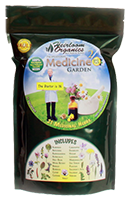
| You can find this variety in the following Seed Packs: |
|
 |
|
| Click the packs below to see some of our other wonderful products |
|
|
|
|
|
|
|