|
Home > Guides > Herbs > Artichoke |
|
How to Grow Artichoke | Guide to Growing Artichoke |
|
|
|
|
| |
 |
|
Overview |
|
|
|
|
|
| |
|
| |
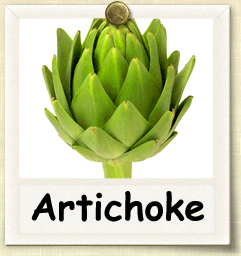
Though the culinary applications of this bulbous vegetable are well known, Artichoke has enjoyed a long tradition of medicinal use extending back to the early Greek cultures. Even today the healing virtues of Artichoke remain relatively obscure. The strong bitter qualities of artichoke leaf are said to enhance digestion by stimulating the release of bile from the liver, potentially providing a safe and natural remedy to elevated serum cholesterol levels. |
|
| |
|
|
| |
|
|
| |
|
|
|
|
|
|
|
|
|
Moist, rich but well-drained |
|
|
|
|
|
|
|
|
|
|
|
|
Growing Guide
GROWING NOTES
Artichoke grows in clumps, and can reach heights of 5 feet or more. The flowering buds will develop throughout the summer and come to maturity in fall.
Artichoke can be sensitive to heat and light, so select a location with partial shade if growing in zones 8 or higher. Prefers rich, moist, well-drained soil.
MAINTAINING
Artichokes can be direct sown late in the year if growing as a perennial, or indoors 8 weeks prior to the last frost if growing as an annual in cooler climates (zones 5 or 6). For the plants to produce flowers in such climates, they will need several hundred hours of temperatures below 50 degrees F, so try to time your transplant after the last frost but before spring temperatures begin to escalate. Transplant once the seeds are at least a few inches tall and have their first true leaves. The seeds are relatively large, relative to other herbs, and are best sown 3/8” or so beneath the surface of the soil, or slightly deeper if direct sowing outdoors.
|
|
| |
|
| |
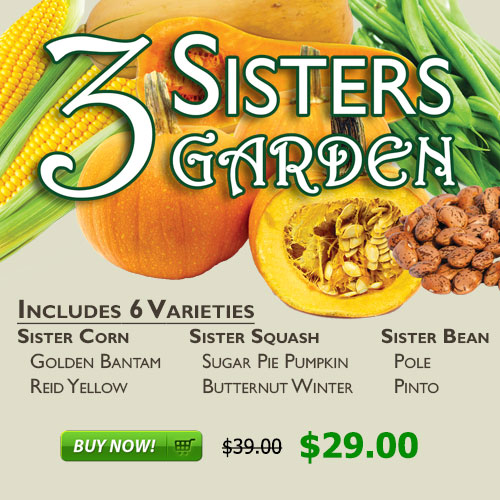
Heirloom seeds are the gardeners choice for seed-saving from year-to-year. Learning to save seeds is easy and fun with these books. Before you harvest, consider which varieties you might want to save seeds from so that your harvesting practice includes plants chosen for seed saving. Be sure to check out our newest seed packs, available now from Heirloom Organics. The Super Food Garden is the most nutrient dense garden you can build and everything you need is right here in one pack. The Genesis Garden s a very popular Bible Garden collection. The Three Sisters Garden was the first example of companion planting in Native American culture. See all of our brand-new seed pack offerings in our store.
|
|
| |
|
|
| |
Harvesting Guide
HARVESTING
Leaves can be harvested any time during growing season, just be cautious not to over-harvest. Flowering buds can be collected late in the year before they begin to ‘open’ and have reached their maximum size.
SAVING SEEDS
|
|
| |
|
|
|
| |
|
|
|
|
|
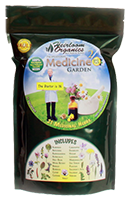
| You can find this variety in the following Seed Packs: |
|
 |
|
| Click the packs below to see some of our other wonderful products |
|
|
|
|
|
|
|